

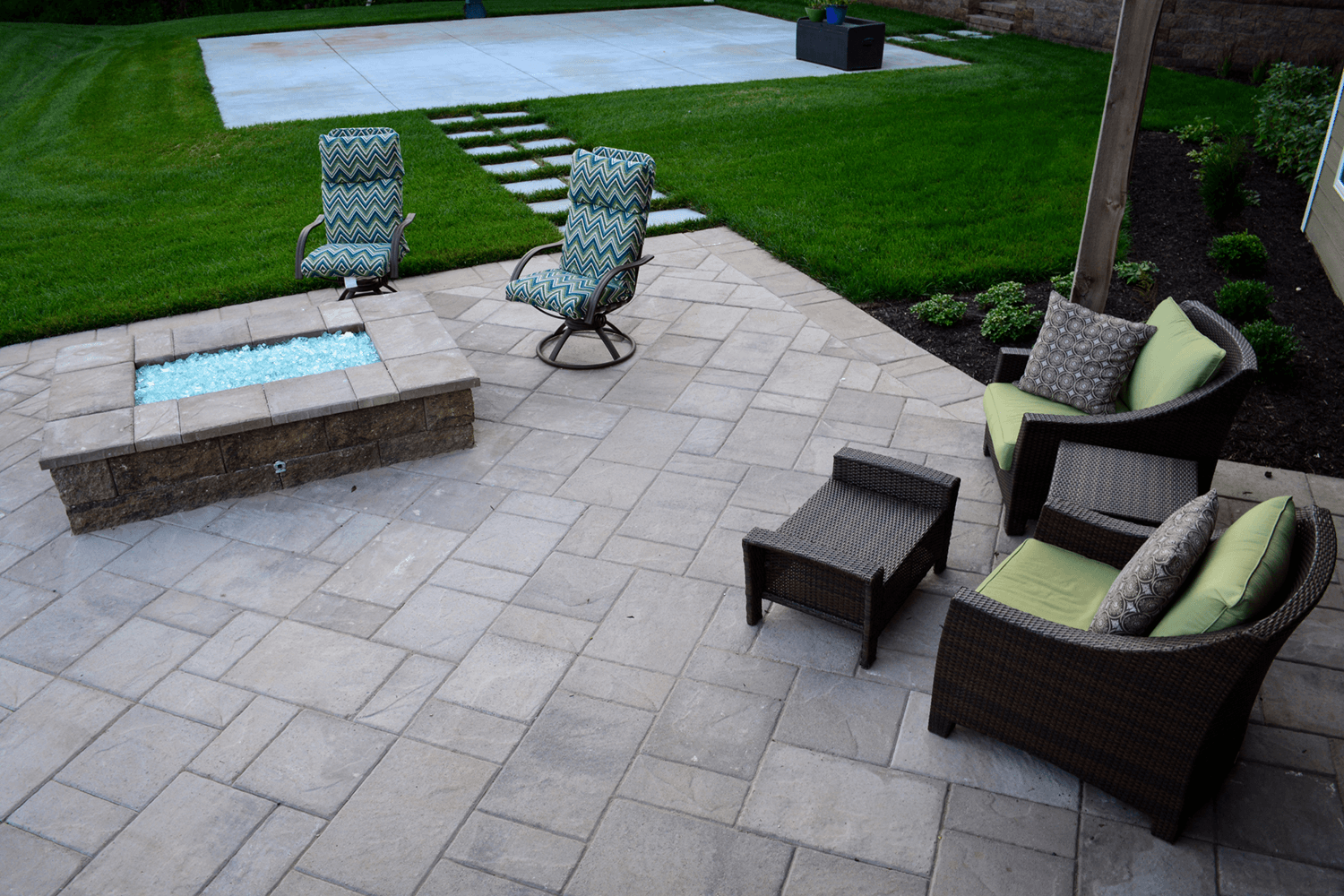
A well-designed patio not only enhances the beauty of your home but also extends your living space into the outdoors, providing a perfect spot for relaxation and entertainment. The construction of a patio involves careful planning, design consideration, and the selection of materials that blend functionality with aesthetic appeal. In this blog post, we’ll dive into the essentials of patio design and construction, offering tips and strategies to help you create a durable and stylish outdoor retreat.
Planning Your Patio Design
Define the Purpose: Start by defining the primary function of your patio. Whether it’s for dining, lounging, or entertaining, the purpose will greatly influence the design, size, and features of the patio.
Location and Size: Choose a location that complements the layout of your house and garden. Consider factors like exposure to sun and shade, privacy, and proximity to the house. The size of the patio should accommodate your needs without overwhelming your yard.
Shape and Style: The shape of your patio should flow naturally with the landscape and architectural style of your home. Whether you opt for a classic rectangular design or a more organic shape, ensure it integrates seamlessly with the surroundings.
Choosing Materials
Paving Choices: The most common materials for patio surfaces include concrete, pavers, stone, and tiles. Each material offers different textures, colors, and durability:
- Concrete: Versatile and cost-effective, it can be stamped, dyed, or textured to suit various styles.
- Pavers: Available in numerous shapes, colors, and styles, pavers are durable and easy to repair.
- Stone: Natural stone provides a unique and premium look but can be more expensive.
- Tiles: Ceramic or porcelain tiles are ideal for a clean, modern appearance but require a stable base to prevent cracking.
Consider Durability and Maintenance: Choose materials that can withstand your local climate and offer ease of maintenance. For example, porous materials like natural stone may require sealing to prevent stains and weather damage.
Layout and Features
Incorporate Landscaping: Integrate your patio with the surrounding landscape for a cohesive look. Consider border gardens, container plants, or integrating features like a water fountain or fire pit.
Add Lighting: Proper lighting can transform your patio into a welcoming evening retreat. Options include string lights, solar garden lights, or embedded LED lights in steps and pathways.
Furniture and Accessories: Select furniture that complements the size and style of your patio. Include elements like outdoor rugs, cushions, and decorative accents to create a comfortable, inviting space.
Construction Tips
Prepare the Base: Proper foundation preparation is crucial for the longevity of your patio. This typically involves excavating the area, laying down a base of gravel, and compacting it before adding a layer of sand.
Drainage Considerations: Ensure your patio has adequate drainage to prevent water accumulation. The base should slope away from your house to direct water runoff effectively.
Professional Installation: While some aspects of patio construction can be DIY, complex designs or installations may benefit from professional expertise. A professional can ensure that the patio is structurally sound and meets local building codes.
Maintaining Your Patio
Regular Cleaning: Keep your patio looking its best with regular cleaning. Most surfaces can be cleaned with a hose and mild detergent. For tougher stains, a pressure washer may be necessary.
Sealant Application: Depending on the material, applying a sealant every few years can help protect against weather damage and stains.
Check for Repairs: Regularly inspect your patio for any cracks, loose pavers, or other signs of wear and repair them promptly to maintain its appearance and safety.
Conclusion
Designing and constructing a patio requires thoughtful planning and attention to detail. By considering the function, choosing the right materials, and integrating design elements that complement your home and lifestyle, you can create a beautiful and functional outdoor space. A well-built patio not only adds value to your home but provides a tranquil spot for enjoying the outdoors, making it a worthwhile investment in your property and your quality of life.
