

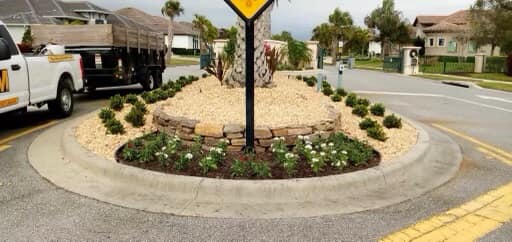
Retaining walls are essential structural elements that serve to contain soil and prevent erosion, especially in sloped landscapes. Beyond their functional purpose, retaining walls can also be integral to the aesthetic and usability of outdoor spaces. With innovative designs and materials, these structures can transform into striking landscape features that enhance the beauty and value of any property. This blog post explores various retaining wall designs, materials, and creative ideas for integrating them into your landscape.
The Functionality of Retaining Walls
Retaining walls support soil laterally, allowing for level surfaces in sloped areas. They are crucial in preventing soil erosion, managing water runoff, and creating usable garden space. Properly designed retaining walls can also reduce the hydrostatic pressure and improve drainage, contributing to the overall stability and durability of the landscape.
Choosing Materials for Retaining Walls
Natural Stone: Offers a classic and elegant look, fitting seamlessly into most landscapes. Each stone piece is unique, providing a distinctive natural pattern. Natural stone is durable and long-lasting but can be more expensive and requires skilled installation.
Concrete Blocks: Pre-cast concrete blocks are popular due to their uniformity, ease of installation, and versatility. They can be manufactured to mimic other materials like stone and come in various colors and finishes.
Bricks: Provide a traditional aesthetic and are excellent for creating curved designs. Bricks are less structurally robust than other options and typically require a concrete foundation and careful drainage planning.
Wood: Offers a natural and warm appearance, ideal for rustic garden landscapes. However, wood is less durable than stone or concrete and may not be suitable for retaining significant amounts of soil unless treated and maintained correctly.
Gabion Walls: Consist of cages filled with rocks or concrete chunks. They offer a modern and industrial look, promote drainage, and can be cost-effective, especially if local stones are used.
Innovative Retaining Wall Designs
Terraced Gardens: Use retaining walls to create multiple levels in your garden, allowing for diverse planting and design themes on each terrace. This not only maximizes space but also adds visual interest to your yard.
Seating Walls: Incorporate seating into retaining walls by building them at a lower height and adding durable cushions on top. This is a practical way to provide permanent seating around patios or fire pits.
Integrated Lighting: Enhance the appearance and safety of retaining walls by embedding lighting within the wall itself. This can highlight the wall’s texture and ensure visibility at night.
Artistic Stonework: Use varying colors and shapes of stone to create patterns or murals in the wall. This can turn a simple retaining wall into a piece of landscape art.
Water Features: Integrate water elements into retaining walls for an impressive effect. Water can cascade over the top or emerge from within the wall, adding soothing water sounds and dynamic visuals to the garden.
Considerations for Retaining Wall Construction
Proper Drainage: Ensure there is adequate drainage behind the wall to reduce hydrostatic pressure and prevent damage. Use gravel backfill and consider installing drainage pipes.
Engineering and Permits: For taller or structurally significant walls, it’s crucial to consult with an engineer and check local building codes and permits. Proper design and construction are essential for safety and longevity.
Foundation and Base: A solid foundation is critical, especially for higher or load-bearing walls. The base should be leveled and compacted to provide stable support.
Conclusion
Retaining walls blend functionality and aesthetic appeal, offering creative opportunities to enhance landscape design. Whether you choose natural stone for its elegance, concrete for its versatility, or integrate exciting features like seating or lighting, retaining walls can significantly impact the form and functionality of your outdoor spaces. By carefully selecting materials and innovative designs, you can turn a simple structural necessity into a standout feature of your landscape.
