

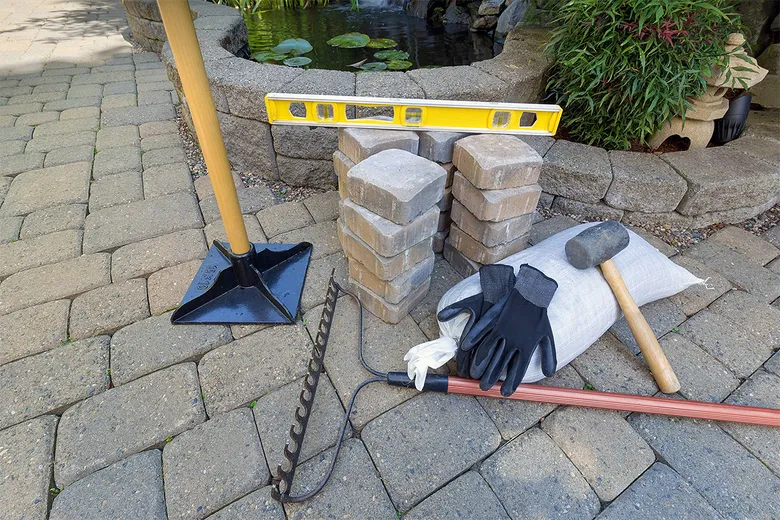
Hardscape installation is a crucial component of landscape design that focuses on the incorporation of non-living materials into the outdoor environment. This includes features like patios, walkways, retaining walls, and water features, which not only enhance the aesthetic appeal of your property but also add functionality and increase its value. In this blog post, we will explore the steps involved in hardscape installation, the importance of choosing the right materials, and tips for ensuring a successful project.
Understanding Hardscape Installation
Hardscape installation involves several detailed steps that require careful planning and execution. Unlike planting a garden, installing hardscape features often requires heavy materials and, sometimes, complex construction techniques. Here’s what the process generally involves:
- Design and Planning: The first step in any hardscape project is creating a detailed design. This should consider the existing landscape, how the space is to be used, and how the new hardscapes will integrate with any existing softscapes.
- Site Preparation: This involves clearing the area of any debris, vegetation, or existing structures. Depending on the project, grading and leveling may also be necessary to ensure proper drainage and stability.
- Material Selection: Choosing the right materials is crucial for both the aesthetics and longevity of the hardscape. Materials should be durable, suitable for the climate, and complementary to the home and landscape.
- Foundation Creation: For most hardscape features, a solid foundation is critical. This often involves laying a base layer of gravel and compacting it to prevent settling and shifting.
- Installation of Hardscape Elements: This can include laying pavers, building walls, setting stones, or installing water features. Each element requires specific techniques to ensure they are built to last.
- Finishing Touches: The final steps might include filling joints with sand, sealing surfaces, and adding landscaping around the hardscape to reintegrate it with the greenery.
Choosing the Right Materials
The choice of materials can dramatically affect both the look and the functionality of your hardscape:
- Natural Stone: Offers a unique, natural look but can be more expensive and require more skill to install.
- Pavers: Available in a variety of colors and styles, pavers are versatile and relatively easy to install.
- Concrete: Highly durable and can be stamped or colored to fit a variety of designs.
- Brick: Provides a classic look that matches well with traditional architecture.
- Wood: Ideal for decks and raised gardens, but requires regular maintenance.
Tips for Successful Hardscape Installation
- Plan for the Future: Consider how the installation will affect the entire landscape, not just the immediate area. Think about access for future projects or maintenance.
- Ensure Proper Drainage: Inadequate drainage can lead to water damage both to the hardscape and the surrounding areas. Plan your hardscape to direct water away from your home and garden.
- Hire Professionals: While some hardscape projects can be DIY, large or complex installations should be handled by professionals. They can ensure that the hardscape is durable and properly integrated into your landscape.
- Regular Maintenance: Even durable hardscape materials require some maintenance. Seal stone and concrete regularly, pull weeds from between pavers, and check for any repairs.
Conclusion
Hardscape installation is a significant investment in any landscape design project. It not only enhances the beauty and functionality of your outdoor spaces but also increases the overall value of your property. By carefully planning the design, choosing the right materials, and following proper installation procedures, you can ensure that your hardscape will be an enduring and cherished part of your home’s landscape. Whether you opt for a tranquil garden path, a robust retaining wall, or a cozy outdoor living area, hardscape installation can bring your vision for your outdoor space to life.
