

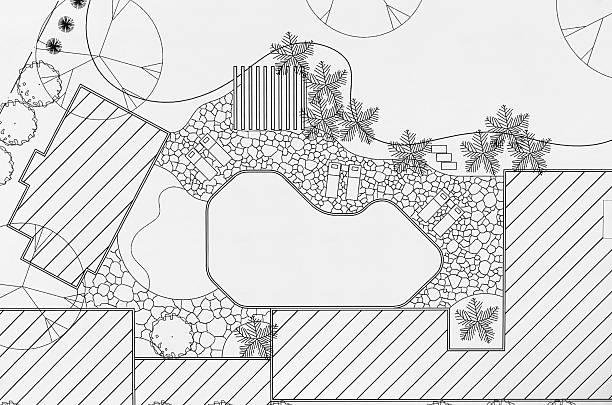
Hardscape design is an integral part of landscaping that focuses on the use of non-living materials to enhance outdoor living areas. While plants are the stars of softscaping, hardscapes involve materials like stone, concrete, wood, and metal to construct features such as patios, walkways, and retaining walls. These elements not only add structural integrity to gardens and yards but also provide aesthetic appeal and practical functionality. In this blog post, we’ll explore effective strategies for hardscape design, examine the benefits it brings to outdoor spaces, and offer tips for integrating hardscape into your landscape effectively.
Benefits of Hardscape Design
Aesthetic Enhancement: Hardscape elements like paved pathways, elegant patios, and ornate stone walls add visual interest and sophistication to your outdoor space, creating a lasting impression.
Increased Usability: Hardscapes transform your yard into a more usable space, allowing you to enjoy your outdoor area for relaxation, entertainment, and activities throughout the year, regardless of weather conditions.
Low Maintenance: Unlike gardens that require regular watering, pruning, and care, hardscapes offer durability with minimal maintenance, saving time and effort in garden upkeep.
Erosion Control: Properly installed hardscapes can prevent soil erosion in your yard, protecting the landscape from water damage and preserving the environment.
Key Elements of Hardscape Design
Planning and Layout: Before starting, it’s crucial to consider how each hardscape feature will serve your overall landscape. Plan the layout in harmony with the natural terrain of your yard and your home’s architectural style.
Material Selection: Choose materials that complement the existing structures and landscape. Natural stone, bricks, concrete, and wood are popular choices, each offering unique textures and colors for different design aesthetics.
Integration with Softscape: Balance is key in combining hardscape and softscape elements. Ensure that your design allows room for plants to grow and that hardscape features do not overpower the greenery.
Focus on Sustainability: Opt for eco-friendly materials and construction practices. Permeable pavers, for example, allow water to seep through and recharge groundwater, reducing runoff and promoting a healthier landscape.
Popular Hardscape Features
Patios and Decks: These are perfect for creating a focal gathering spot in your yard. Materials can range from poured concrete and flagstone to composite decking, depending on the desired look and maintenance requirements.
Walkways and Paths: Functional yet decorative, these guide movement through your garden, enhancing accessibility and defining different areas of your yard.
Retaining Walls: These practical structures help manage sloped areas, preventing soil erosion and creating visual interest. They can also double as seating areas or raised garden beds.
Water Features: Adding elements like a fountain, pond, or waterfall introduces a soothing ambiance to your landscape, attracting wildlife and providing a serene focal point.
Design Tips for Hardscape Success
Consider the Scale: Make sure the size of your hardscape features is in proportion to your yard and house. Oversized patios or paths can overwhelm small spaces, while tiny features can get lost in vast areas.
Focus on Quality: Investing in high-quality materials and professional installation ensures that your hardscapes are durable and remain beautiful over time.
Create Functional Areas: Designate specific areas for dining, lounging, and other activities. Use hardscape designs to make these spaces more comfortable and defined.
Incorporate Lighting: Adding outdoor lighting can enhance the beauty of your hardscape at night, improve safety, and extend the usability of your outdoor space after dark.
Conclusion
Hardscape design is more than just adding structural features to a landscape; it’s about creating a harmonious and functional outdoor living space that enhances both the beauty and utility of your home. Whether you’re looking to add a simple stone pathway or a fully equipped outdoor kitchen, understanding the principles of hardscape design will help you make informed decisions that contribute to a sustainable, low-maintenance, and aesthetically pleasing yard.
