

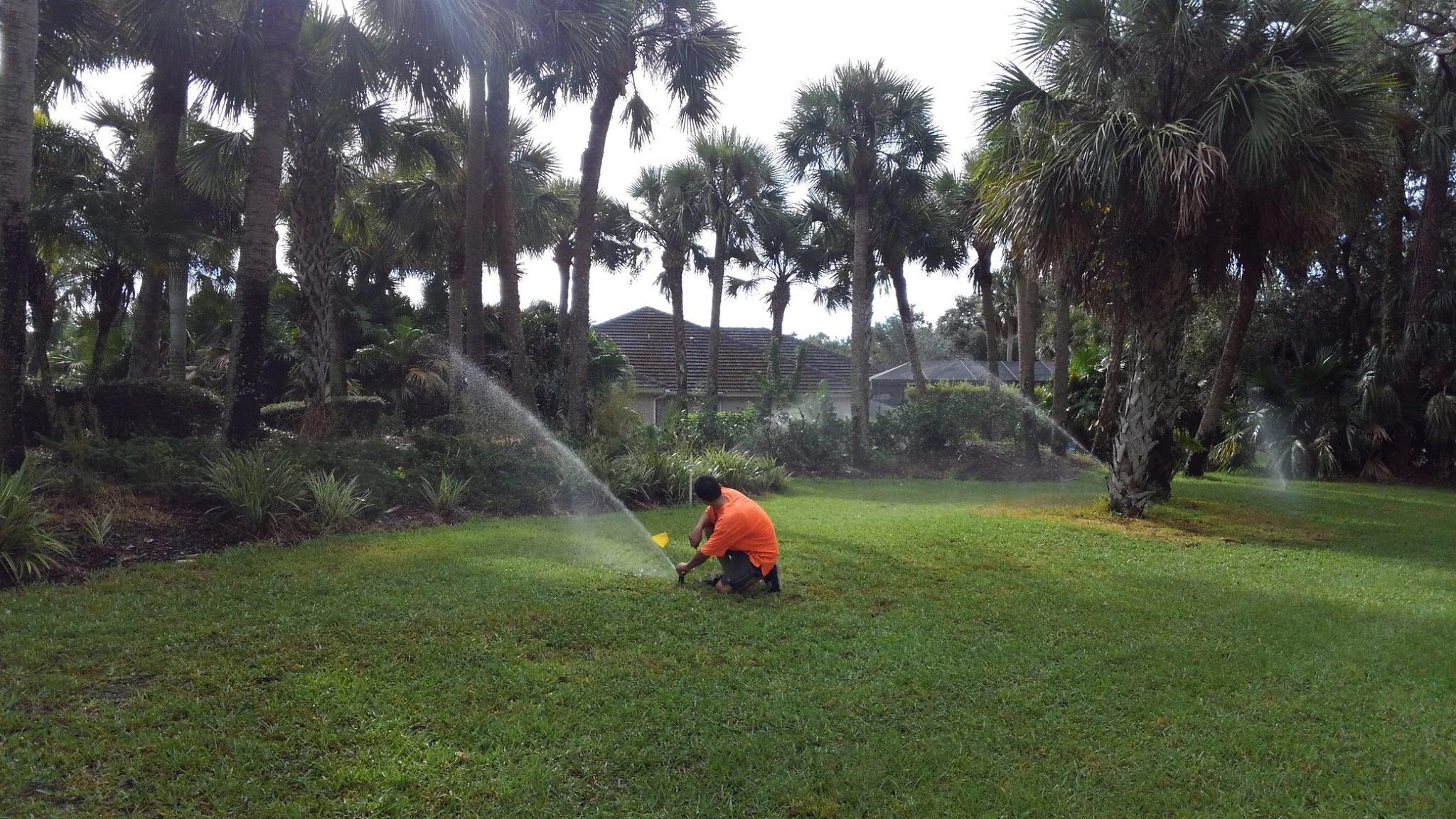
A well-designed irrigation or sprinkler system is crucial for the health of your lawn and garden, providing precise hydration even in the driest conditions. Whether you’re installing a new system or maintaining an existing one, understanding the basics of irrigation technology and common repair needs can save you time, conserve water, and keep your outdoor spaces lush and vibrant. This blog post delves into effective strategies for irrigation and sprinkler system installation and highlights essential tips for troubleshooting and repairs.
Planning and Installing an Irrigation System
Assess Your Needs: Start by determining the water requirements of your landscape. Different plants have varying water needs, and areas of your yard will likely require different watering schedules depending on sun exposure, soil type, and plant type.
Choose the Right System: There are several types of irrigation systems to consider:
- Sprinkler Systems: Ideal for large areas of grass and evenly spaced plantings. They can be programmed to cover large areas systematically.
- Drip Irrigation: Best for targeted watering directly at the root zone of plants, which reduces water wastage and is ideal for flower beds, vegetable gardens, and landscaped areas.
- Soaker Hoses: Simple and inexpensive, these hoses are good for gardens and flower beds.
Design the Layout: The design should minimize water wastage and ensure complete coverage. This often involves zoning (dividing your garden into distinct areas that have similar water requirements) and considering the placement of sprinkler heads to avoid overlap and water waste.
Professional Installation: While some gardeners undertake irrigation installation as a DIY project, professional installation can ensure that the system is optimized for your specific landscape needs, efficiently laid out, and adheres to local water regulations.
Maintenance and Repairs
Regular Inspections: Check your irrigation system regularly for any signs of leaks, broken sprinkler heads, or inefficient spraying patterns. Early spring is an ideal time for a thorough check-up to address any issues caused by winter weather.
Cleaning and Adjustments: Clean sprinkler heads and filters seasonally to prevent clogs. Adjust the heads to ensure they are providing complete coverage without watering non-target areas like sidewalks or roads.
Seasonal Adjustments: Adjust the watering schedule based on seasonal weather conditions. Many modern irrigation systems are equipped with sensors that adjust automatically to changes in rainfall and soil moisture levels.
Winterization: In areas with freezing temperatures, it’s crucial to winterize your system to prevent damage. This typically involves draining the system and, in some cases, blowing out residual water with compressed air.
Common Repair Issues
Leaks: Leaks can occur from damage or deterioration and may result in significant water loss. Identifying leaks early can save water and prevent damage to other parts of your landscape.
Broken Sprinkler Heads: These are usually evident when you see geysers or water spraying off-target. Replacing sprinkler heads is typically a straightforward task that can be done without professional help.
Controller Problems: Automatic systems have a controller that might malfunction. Troubleshooting often involves checking the settings and connections or replacing the battery.
Pressure Problems: Low or inconsistent pressure can affect how well your system waters your garden. This might be due to a problem in the pipes, such as a blockage or leak, or issues with the pump, if your system is so equipped.
Conclusion
Installing and maintaining an irrigation or sprinkler system is a significant but worthwhile investment in the health and beauty of your landscape. By choosing the right system for your needs, regularly maintaining it, and quickly addressing any repairs, you can ensure efficient water use and enjoy a vibrant, healthy garden. Always consider consulting with or hiring a professional for more complex systems or repairs to guarantee that your system operates at its best.
