

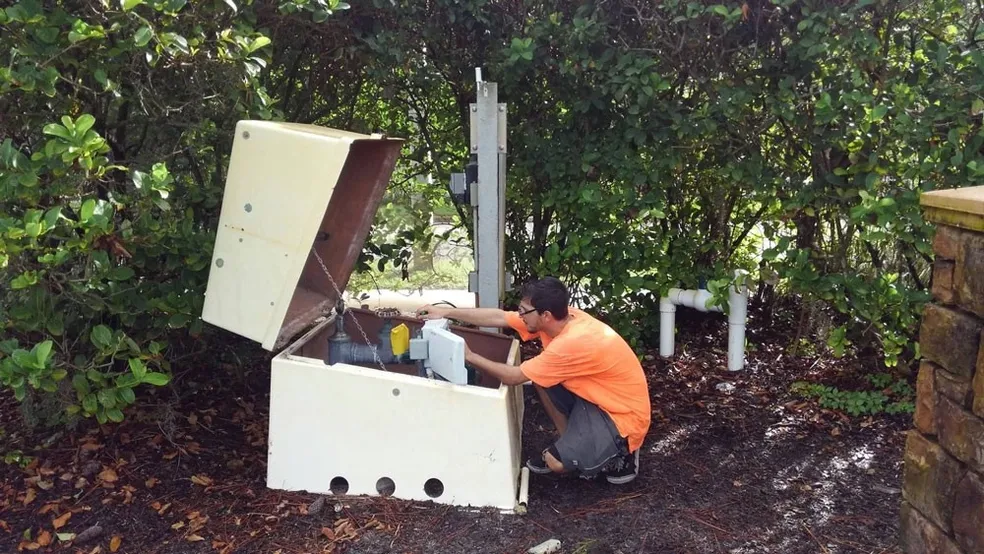
For many homeowners, a well pump is a crucial component of their water supply system, providing fresh water from underground sources directly to their homes. Like any mechanical system, a well pump requires regular maintenance to operate efficiently and reliably. Understanding when to service, repair, or replace your well pump can save you from unexpected breakdowns and ensure a consistent water supply. In this blog post, we’ll explore the best practices for maintaining your well pump, how to identify common issues, and when it’s time for a replacement.
Understanding Your Well Pump
Before diving into maintenance and repair, it’s important to understand the type of well pump you have. The most common types include:
- Submersible Pumps: Located directly in the well and designed to push water to the surface.
- Jet Pumps: Located above ground, these use suction to draw water up, effective in shallow wells.
Each type has specific maintenance routines and common issues associated with its design.
Regular Maintenance Tips
Annual Inspections: Schedule annual inspections with a professional who can assess the condition of the pump, pressure tank, and associated controls. They can spot early signs of wear and tear before they become serious problems.
Check the Pressure Tank: The pressure tank regulates the pressure of the water delivered from the pump to your home. Check it periodically to ensure it’s properly pressurized and doesn’t have leaks.
Clean the Area Around the Well: Keep the area around your wellhead clean and clear of debris. This prevents contaminants from entering the well and reduces the risk of mechanical blockages.
Monitor Water Quality: Changes in water taste, color, or pressure can indicate problems with your well system. Regular testing can help detect issues related to the well’s integrity or water quality that may affect the pump’s performance.
Identifying Common Issues
No Water or Low Pressure: This could be due to a malfunctioning pump, clogged pipes, or a problem with the pressure tank.
Strange Noises or Vibrations: Unusual noises can be a sign of a motor problem or issues with the pump mechanism.
High Electricity Bills: A well pump that runs continuously to maintain water pressure, often due to a leak or the pump cycling on and off too frequently, can lead to high energy costs.
Water Hammer: This issue occurs when the water flow is stopped suddenly, or a valve is closed quickly, causing a shock wave through the pipes. This can damage pipes and affect the pump’s operation.
Repair vs. Replacement
When to Repair:
- If the issue is specific, such as a faulty pressure switch or a blocked filter, repairs may be sufficient.
- Minor mechanical issues like replacing a worn-out bearing or seal.
When to Replace:
- If the pump is near or past its expected lifespan (generally 10-15 years for submersible pumps and slightly less for jet pumps).
- If repairs are becoming frequent and costly, indicating the pump is likely at the end of its effective life.
- Significant changes in your household water usage that require a different type of pump or more powerful model.
Professional Help and DIY Care
While basic inspections and minor adjustments can be done by a knowledgeable homeowner, well pump work often requires professional expertise, especially for deep wells or submersible pumps. Professionals can ensure that the system is functioning efficiently and safely, adhering to local regulations and codes.
Conclusion
Regular maintenance and timely repairs of your well pump are essential to ensure a reliable and safe water supply. Understanding the signs of pump failure and knowing when to call in professionals for repairs or replacement can prevent more serious issues and protect your home’s water supply. With proper care, your well pump can provide many years of service, but staying vigilant about its performance and needs will keep your household water running smoothly.
