

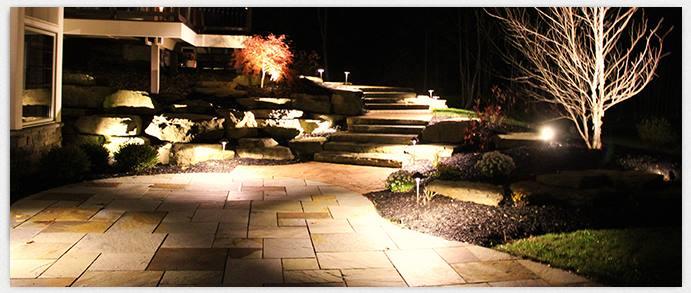
Outdoor steps and staircases are not only essential for navigating changes in elevation in gardens and landscapes, but they also serve as significant design elements that can enhance the overall aesthetic of an outdoor space. Whether connecting different levels of a patio, leading up to a front door, or winding through a sloped garden, well-designed steps and staircases combine functionality with style to create cohesive and inviting outdoor areas. In this blog post, we’ll explore various design considerations, material choices, and safety aspects to help you integrate steps and staircases effectively into your landscape.
Design Considerations
Integration with Landscape: Steps should complement the surrounding landscape and the architectural style of any nearby structures. Consider how the steps will interact with natural elements and other hardscaping features.
Scale and Proportion: The scale of the steps or staircase should be in proportion to the space. Larger steps can make a grand statement in a spacious garden, while smaller, more frequent steps are better suited to compact areas or gentle slopes.
Flow and Direction: Think about the flow of movement the steps will facilitate. Steps should lead visitors naturally through the space, directing traffic smoothly and intuitively.
Choosing Materials
The choice of materials for outdoor steps and staircases impacts not only the look and feel of the installation but also its durability and maintenance requirements. Here are some popular materials:
- Stone: Natural stone steps, such as slate, granite, or limestone, are durable and blend beautifully with natural surroundings. Each piece is unique, adding character and texture.
- Concrete: Precast concrete steps are a cost-effective and versatile option. They can be customized in terms of color and texture to mimic more expensive materials like stone.
- Wood: Wooden steps add warmth and natural beauty to outdoor spaces. Hardwoods like teak or cedar are popular for their durability and resistance to rot and pests.
- Brick: Brick steps provide a traditional look that matches well with brick homes and walls. They can be laid in various patterns to create visual interest.
- Metal: Metal steps, often made from steel or aluminum, offer a sleek, modern look. They are durable and can be designed with unique patterns and finishes.
Safety Features
Safety is a crucial aspect of designing outdoor steps and staircases. Here are some safety features to consider:
- Tread Depth and Riser Height: Ensure that the riser (vertical part) and tread (horizontal part) are of comfortable dimensions. Standard riser heights are about 4-7 inches, and tread depth should be around 10-12 inches.
- Handrails: In many cases, handrails are necessary for safety, especially if the staircase is steep or used by children and the elderly. Handrails should be sturdy and at an appropriate height.
- Non-slip Surfaces: Outdoor steps can become slippery when wet. Consider materials with natural traction or treat surfaces with non-slip coatings.
- Adequate Lighting: Ensure that staircases are well-lit to prevent accidents at night. Integrated lighting, such as step lights or adjacent lampposts, can enhance both safety and aesthetics.
Maintenance and Durability
To ensure longevity and maintain the appearance of outdoor steps, choose materials that can withstand local weather conditions and require minimal maintenance. Regular inspections for any wear or damage, timely repairs, and periodic cleaning are essential to keep the steps safe and attractive.
Conclusion
Steps and staircases in outdoor spaces serve both practical and aesthetic purposes, guiding movement and enhancing visual appeal. By carefully considering the design, materials, and safety features, you can create steps and staircases that not only meet functional needs but also elevate the style of your landscape. Whether simple and utilitarian or bold and decorative, well-designed steps can make navigating your outdoor space a more pleasant and beautiful experience.
