

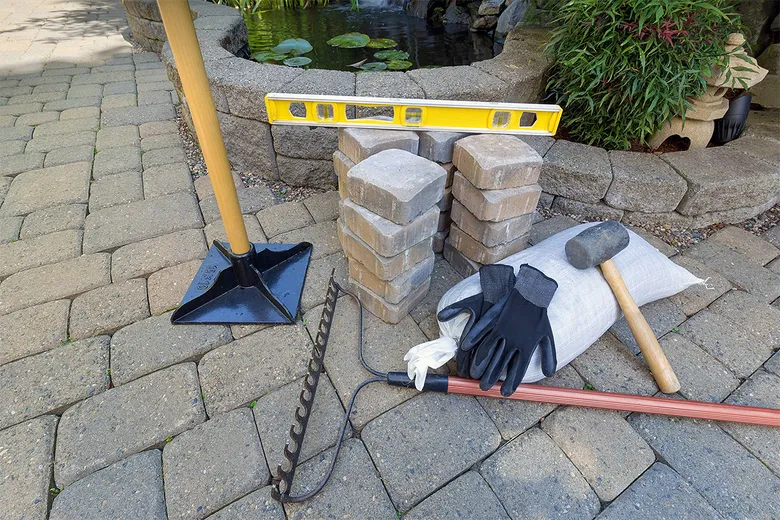
Hardscapes form a critical part of many outdoor spaces, contributing structural elements such as patios, walkways, retaining walls, and driveways. While they are designed for durability and long-term use, exposure to weather, temperature changes, and physical wear can gradually degrade these structures. Regular maintenance and timely repairs are essential to preserving the function and appearance of your hardscape features. This blog post will delve into common issues associated with hardscapes and provide practical tips for their maintenance and repair.
Common Hardscape Issues
Cracking: Changes in temperature and improper installation can cause materials like concrete and stone to crack. Minor cracks can be aesthetic issues, while larger cracks might indicate structural problems.
Displacement: Pavers, bricks, and stone can shift over time due to improper base preparation, erosion, or heavy traffic, leading to uneven surfaces that can be tripping hazards.
Weed Growth: Weeds often grow between pavers or bricks in walkways and patios, which can disrupt the appearance and stability of hardscape installations.
Staining: Regular use, especially in outdoor kitchens or dining areas, can lead to stains from oil, grease, and other substances. In areas with high moisture, mold and mildew can also stain hardscape materials.
Maintenance Tips
Regular Cleaning: Keeping hardscapes clean not only enhances their appearance but also extends their life. Use a pressure washer or a hose with a scrub brush to remove dirt, grime, and biological growth like moss or algae. For specific stains, use cleaners designed for the particular hardscape material.
Sealing: Many hardscape materials benefit from periodic sealing to protect against weather, stains, and fading. Sealers can also enhance the color of materials like concrete pavers and natural stone.
Weed Control: To prevent weeds, ensure that the joints between pavers or stones are filled with polymeric sand, which hardens and helps block weed growth. Regularly pulling weeds and applying natural or chemical herbicides can also manage this issue.
Checking for Stability and Alignment: Periodically check pavers, tiles, and stones for stability and alignment. Re-adjust any that have shifted or sunk to maintain a level surface and prevent tripping hazards.
Repair Techniques
Fixing Cracks in Concrete: Small cracks in concrete can be filled with a concrete crack filler or sealant. For larger cracks, removing the damaged section and patching it with new concrete may be necessary.
Repositioning Pavers: If pavers or stones have shifted, lift them and prepare the base again, possibly adding more sand before resetting them. Ensure they are level and firmly placed.
Replacing Damaged Elements: Severely cracked or broken pavers, stones, or bricks should be replaced to maintain the integrity and appearance of the hardscape.
Retaining Wall Repairs: For retaining walls showing signs of bulging or leaning, it’s important to address these issues promptly as they can signify structural failures. This might involve partial or complete reconstruction, depending on the extent of the damage.
Conclusion
Effective maintenance and repair of your hardscape not only extend its lifespan but also enhance the safety and beauty of your outdoor space. Regular inspections and addressing small issues promptly can prevent more significant problems and costly repairs down the line. By incorporating these practices into your seasonal landscaping routine, you can enjoy a functional and attractive hardscape for many years to come.
