

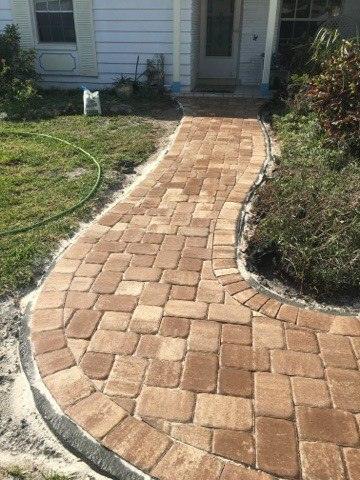
Walkways and driveways are more than just practical pathways and parking spaces; they are vital components of a home’s exterior that significantly influence its curb appeal and accessibility. Properly designed and constructed, these features can enhance the functionality of your outdoor spaces while adding aesthetic value to your property. In this blog post, we explore essential considerations, innovative design ideas, and best practices for the design and construction of walkways and driveways.
Planning and Design Considerations
Purpose and Functionality: Consider how the walkway or driveway will be used. Driveways need to accommodate vehicle loads and provide sufficient space for maneuvering, while walkways should offer safe and comfortable passage around the property.
Materials: The choice of materials should complement the home’s exterior and landscape design while providing durability and ease of maintenance. Common materials include:
- Concrete: Versatile and durable, can be stamped or colored for added aesthetic appeal.
- Pavers: Available in various colors and styles, providing flexibility in design and easy replacement.
- Asphalt: Ideal for driveways, offering a smooth, durable surface that’s cost-effective.
- Gravel: Offers a rustic look and good drainage, though it requires regular maintenance to keep tidy.
- Stone: Natural stone provides a high-end, durable surface for walkways and driveways with unique color variations and textures.
Integration with Landscape: Design driveways and walkways to flow naturally with the surrounding landscape. Consider curves, widths, and borders that enhance the overall garden design and connect different areas of the yard seamlessly.
Innovative Design Ideas
Curved Pathways: Instead of straight lines, consider gently curved pathways that create a more natural and inviting path through your garden. Curves can help direct the eye and enhance the landscape’s flow.
Decorative Borders: Add definition and contrast by incorporating borders made from contrasting materials, such as brick or natural stone, alongside concrete or asphalt.
Permeable Paving Solutions: For environmentally conscious designs, consider permeable pavers or gravel that allow water to seep through and reduce runoff.
Heated Driveways: In colder climates, installing a heated driveway can prevent ice buildup, enhancing safety and reducing winter maintenance.
Lighting: Integrate lighting into the design to enhance safety and aesthetics. Options include embedded lights in the pavement, solar-powered lamps along pathways, or accent lights highlighting adjacent plants.
Best Practices for Construction
Proper Foundation and Drainage: Ensure a solid foundation by excavating to the appropriate depth and filling with a suitable sub-base material, which should be compacted properly to prevent settling and cracking. Adequate drainage is crucial to prevent water accumulation that can damage the surface over time.
Professional Installation: While some materials, like gravel, can be a DIY project, materials like concrete, pavers, and asphalt benefit from professional installation to ensure durability and a polished finish.
Maintenance: Regular maintenance extends the life and appearance of your walkway and driveway. Seal concrete and asphalt surfaces periodically, refill gravel, and replace cracked or shifted pavers as needed.
Conclusion
Walkways and driveways play a crucial role in defining the accessibility and curb appeal of your property. By carefully considering the design and materials and adhering to best construction practices, you can create functional, durable, and attractive entrances that enhance the beauty and value of your home. Whether you aim for practical simplicity or detailed decorative designs, the right approach to walkways and driveways can make a significant impact on your home’s first impression and overall landscape aesthetics.
