

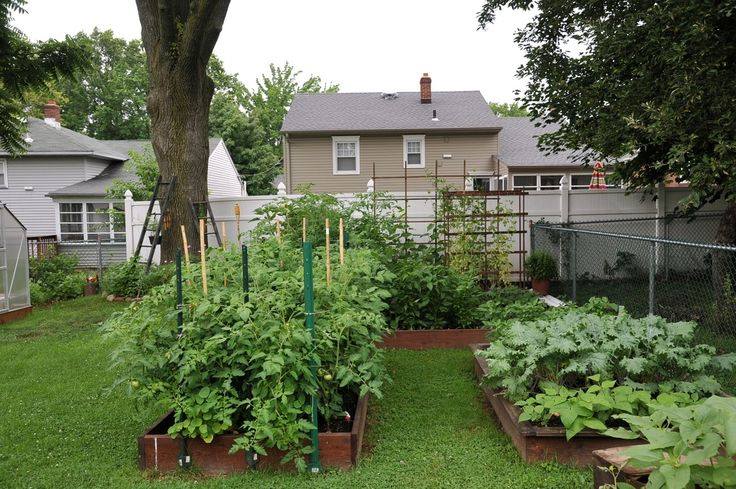
Landscape installation is a transformative process that can dramatically enhance the beauty and functionality of any outdoor space. Whether you’re creating a tranquil garden sanctuary or a lively outdoor entertainment area, the key to successful landscape installation lies in careful planning, proper techniques, and ongoing maintenance. In this blog post, we will explore the essential steps and considerations for effective landscape installation that will ensure a thriving and sustainable landscape.
Planning Your Landscape Installation
Understand Your Space: Before you begin, it’s crucial to conduct a thorough analysis of your site. Take note of the soil type, sunlight patterns, drainage, and existing vegetation. Understanding these factors will help you make informed decisions about plant selection and the design of your space.
Define Your Objectives: What do you want to achieve with your landscape? Are you focusing on aesthetics, functionality, privacy, or a combination of these? Clearly defining your goals will guide your choices throughout the installation process.
Create a Detailed Design: Develop a comprehensive plan that includes all elements of your landscape, such as plants, hardscape materials (like pathways and retaining walls), water features, and lighting. A well-thought-out design ensures that all components work harmoniously together.
Essential Steps in Landscape Installation
Soil Preparation: The foundation of any healthy garden is good soil. Begin by removing any weeds, debris, or undesirable materials. Enhance the soil with compost or other organic matter to improve fertility and drainage. For areas with poor soil, consider bringing in new topsoil.
Hardscaping First: Install any hardscaping elements before planting. This includes paths, patios, decks, and structures like pergolas or fountains. Completing hardscaping first minimizes damage to plants and soil compaction during construction activities.
Plant Selection and Placement: Choose plants that are appropriate for your climate zone and the specific conditions of your garden (such as sun exposure and soil type). Pay attention to the mature size of plants to avoid overcrowding and ensure each plant has enough space to thrive.
Efficient Irrigation: An effective irrigation system is crucial for maintaining a healthy landscape, especially in regions with inconsistent rainfall. Consider drip irrigation for efficient water use and to help reduce water waste.
Mulching: Apply a layer of mulch around plants to help retain soil moisture, regulate soil temperature, and reduce weed growth. Organic mulches, like wood chips or bark, also add nutrients to the soil as they decompose.
Best Practices for a Successful Landscape Installation
Start Small: If you’re new to landscaping, it may be more manageable to start with a smaller project and expand as you gain experience. This approach allows you to learn and adapt without becoming overwhelmed.
Consider the Seasons: Plan your planting schedule based on the optimal planting times for your region. Generally, the best times for planting are spring and fall when the weather is cooler and rainfall more abundant.
Use Quality Materials: Invest in high-quality plants, soils, and other materials. This can save you money in the long run, as better-quality materials are more likely to thrive and require less replacement or repair.
Regular Maintenance: After installation, regular maintenance is key to the success of your landscape. This includes pruning, weeding, fertilizing, and monitoring for pests and diseases.
Conclusion
Landscape installation is a rewarding project that can significantly enhance the value and enjoyment of your property. By carefully planning and following the steps outlined above, you can ensure that your landscape not only looks beautiful but is also sustainable and manageable. Remember, a great landscape is the result of thoughtful planning, careful execution, and ongoing care. Whether you are a DIY enthusiast or prefer to work with professionals, taking the time to do it right will result in a space that you and your family will enjoy for years to come.
