

Maintaining a healthy lawn is an ongoing commitment that requires attention to detail and an understanding of the ecosystem underfoot. Whether you’re a new homeowner or a seasoned gardener, the right lawn care strategies can make a significant difference in the vitality and appearance of your grass. In this blog post, we’ll cover essential lawn care maintenance practices that promote lush, durable turf all year round.
Understanding Lawn Care Essentials
Regular Mowing: Consistent mowing not only keeps your lawn looking tidy but also encourages thicker growth by prompting the grass to spread laterally. Remember to mow based on the growth rate of your grass, not on a fixed schedule, and never remove more than one-third of the grass blade length at a time to avoid stressing the grass.
Proper Watering: Lawns typically require about an inch of water per week, either from rainfall or watering. It’s best to water deeply and infrequently to encourage deep root growth, which makes your lawn more drought-resistant. Early morning watering is ideal as it allows the lawn to dry off before nightfall, reducing the risk of disease.
Fertilization: Fertilizing your lawn provides essential nutrients that might not be present in sufficient quantities in your soil. The type and frequency of fertilizer application depend on your soil’s health and the specific needs of your grass type. Always conduct a soil test before applying fertilizer to understand what nutrients are needed.
Seasonal Lawn Care
Spring: Spring is a time for growth and renewal. Start by aerating your lawn to relieve soil compaction and enhance nutrient absorption. Apply a light fertilizer following a soil test recommendation and address any weed issues early by using pre-emergent herbicides if necessary.
Summer: During the hot summer months, raise the cutting height of your mower to leave grass taller. This shade helps protect roots from intense heat and retains more moisture. Monitor your lawn for signs of stress or pests and increase watering if needed, but be mindful of local water conservation rules.
Fall: Fall care is critical for preparing your lawn for the winter. Aerate if you didn’t in the spring, and consider overseeding to fill in bare patches and improve the density of your lawn. Apply a fall fertilizer that’s high in potassium to strengthen the roots.
Winter: In winter, minimize foot traffic on your frozen lawn to prevent damage. Before the season hits, clear the lawn of debris and leaves, which can smother grass and foster disease.
Integrated Pest and Weed Management
Prevention and Monitoring: Regular monitoring and maintaining healthy grass is the best way to prevent pest and weed infestations. Healthy lawns are less susceptible to problems because they can outcompete most weeds and recover from pest damage more quickly.
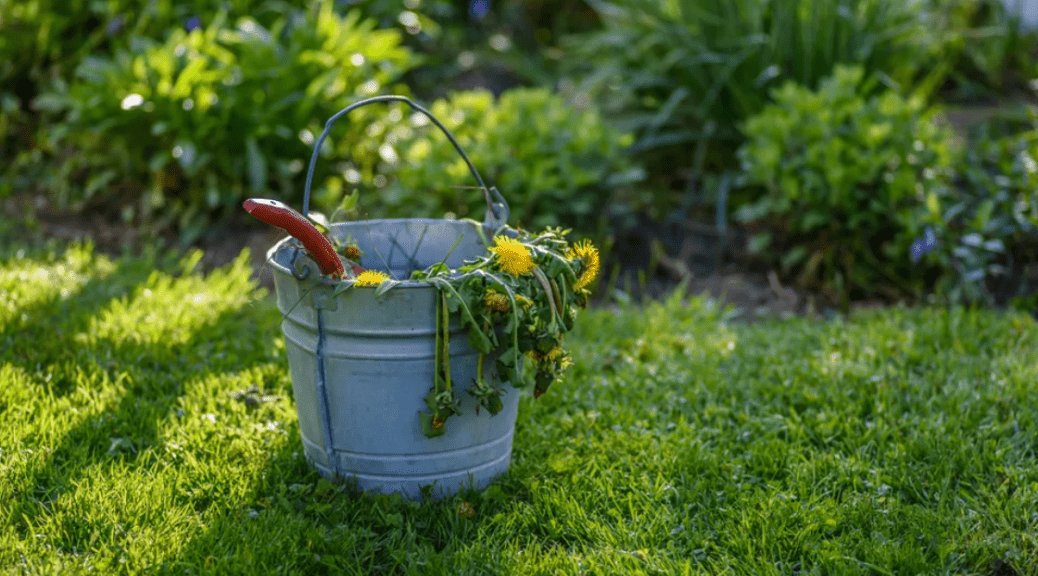
Natural Solutions: Whenever possible, opt for organic or natural solutions for weed and pest control. These are safer for both the environment and the people and pets that enjoy your lawn. Mechanical weed removal (hand pulling or tools) can be effective in small areas.
Professional Help: For persistent issues, consult a lawn care professional who can provide targeted treatments without over-applying pesticides or herbicides.
Conclusion
Effective lawn care maintenance involves a balanced approach to mowing, watering, fertilizing, and managing pests and weeds. By adhering to these practices, you can maintain a healthy, resilient lawn that enhances your home’s curb appeal and provides a safe, enjoyable outdoor space for your family. Remember, each lawn is unique, so tailor these tips to suit your specific situation and local climate conditions for the best results.
